

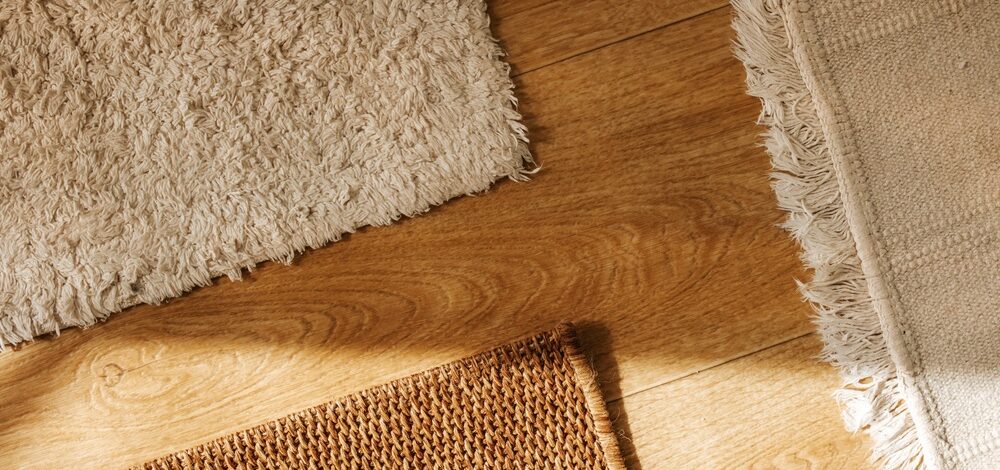
The single fastest way to ruin a rug is to clean it as though every fiber behaves the same way. Wool scorches and felts in conditions that a nylon commercial broadloom shrugs off, while polyester releases water-based spots easily but holds oily soil like a sponge. At JMS Carpet Care, our crews handle commercial carpet cleaning identify the fiber before selecting water temperature, pH, and dwell time, because those three variables determine whether a cleaning restores a textile or damages it permanently.
Fiber Chemistry Sets the Limits Before Any Equipment Comes Out
Natural fibers such as wool, silk, cotton, and jute are protein or cellulose structures that absorb water into the fiber core. Synthetics including nylon, polyester, olefin, and triexta are extruded plastics that repel water and carry soil on the surface instead. That difference explains nearly every protocol variation a technician follows on a job site.
Three properties drive the decisions:
- Moisture absorption: wool can hold roughly 30 percent of its weight in water before it feels wet, while polyester absorbs less than 1 percent.
- Heat tolerance: olefin begins to soften near 320°F, nylon near 410°F, and wool scorches and yellows with prolonged exposure to high heat and alkalinity rather than melting.
- pH range: protein fibers stay stable between about pH 5 and pH 8, whereas nylon and polyester tolerate strongly alkaline pre-spray in the pH 10 to 11 range without structural loss.
The Institute of Inspection, Cleaning and Restoration Certification publishes the standards most reputable firms train against, and fiber identification sits at the front of every one of those procedures.
Wool Reacts Badly to Alkalinity, Agitation and Slow Drying
Wool is a protein fiber covered in microscopic overlapping scales. Raise the pH above roughly 8.5, and those scales swell, lift, and interlock, which is the mechanism behind felting and permanent texture loss. Add aggressive rotary agitation and the damage accelerates in a single pass.
A correct wool protocol uses a mildly acidic cleaning solution around pH 5 to 7, moderate water temperature under about 120°F, and a drying window measured in hours rather than days. Wool that stays damp beyond 24 to 48 hours risks dye migration, cellulosic browning from the cotton foundation, and odor from bacterial activity in the pile base. Natural dyes in older handmade pieces compound the risk, since many were never set to withstand modern detergents.
Dry soil is the other wool problem. A 9×12 handmade wool rug commonly holds several pounds of grit in the foundation, and that grit abrades fiber from the inside every time someone walks across it. Removing it requires mechanical dusting, not vacuuming alone.
Silk Demands Low Moisture, Low Heat and Almost No Friction
Silk loses a measurable share of its tensile strength when wet, so it is handled with the least aggressive method that will work. Technicians typically use pH-neutral solutions, minimal moisture, cool temperatures, and blotting rather than scrubbing. High alkalinity strips the sericin that gives silk its luster, leaving a dull, slightly chalky surface that no later cleaning restores.
Dye bleeding is the most common failure. Many silk and silk-blend rugs, particularly imports dyed with fugitive colorants, will run at the first contact with water unless the cleaner performs dye-stability tests on every color in the pattern. Acid dye stabilizers and controlled rinse temperatures hold those colors in place during washing.
Viscose, often marketed as art silk, bamboo silk, or banana silk, behaves even worse. It is regenerated cellulose that turns yellow and stiff after water exposure and loses strength dramatically when wet, which is why experienced shops price viscose work separately and set expectations in writing beforehand.
Nylon Is Built for Hot Water Extraction
Most commercial broadloom installed in offices, medical suites, and restaurants is branded nylon, usually type 6 or type 6,6. Nylon resists crushing, responds to heat by regaining pile memory, and tolerates alkaline pre-spray with dwell times of 5 to 10 minutes. Hot water extraction at 180°F to 210°F at the wand remains the method carpet mills themselves specify for warranty compliance.
The one weakness is dye sites. Nylon carries acid dye receptors that bond readily with food coloring, red beverages, and some medications, which is why those spills become permanent dye stains rather than ordinary soil. Correction requires reduction or oxidation spotting with heat, not more cleaning solution.
- Prespray pH: 9.5 to 11 for heavy traffic lanes
- Rinse: acid rinse near pH 5 to neutralize residue and protect stain-resist treatments
- Dry time: typically 4 to 8 hours with airflow in a conditioned commercial space
Reapplying a fluorochemical or fiber protector after cleaning restores the sacrificial barrier that traffic has already worn off, which matters most in entry lanes and elevator lobbies.
Polyester and Olefin Release Water-Based Spots and Hold Oil
Polyester is hydrophobic and oleophilic, meaning it repels water but attracts body oils, cooking grease, and the oily residue tracked in from parking lots. A juice spill on polyester often lifts with plain water, while the gray traffic lane in front of a reception desk resists anything short of a solvent-boosted prespray with adequate dwell time.
Olefin, common in loop-pile commercial goods and indoor-outdoor rugs, is solution dyed and nearly bleach-proof, which makes it forgiving on color but difficult on wicking. Spots that appear to vanish often return within a day as residual soil migrates back to the tip of the fiber during drying. Faster drying and thorough rinsing reduce that recurrence more than any product claim does. The same oil-attraction principle applies to synthetic furniture fabrics, which is why professional upholstery cleaning uses different chemistry on a polyester sofa than on a cotton-blend chair in the same room.
Why Wool and Silk Rugs Leave the Building
In-plant washing exists because a rug cannot be properly dusted, immersed, rinsed, and dried while it is lying on a finished floor. Off-site work allows controlled steps that on-location equipment simply cannot replicate.
- Dusting: mechanical vibration removes dry particulate from the foundation before any water touches the fibers.
- Dye testing: every color is checked for stability, and stabilizers are applied where bleeding is likely.
- Immersion or controlled surface washing: a full rinse removes suspended soil instead of pushing it deeper into the backing.
- Water extraction and controlled drying: rugs dry flat or hung in a climate-controlled room, usually within 24 to 48 hours.
- Grooming and fringe detail: pile direction is reset, and cotton fringes are cleaned separately.
Expect typical regional pricing around $3 to $8 per square foot for wool washing and higher for silk or viscose, with turnaround most often running 7 to 14 days. Unusual constructions, pet urine contamination, and antique foundations change both figures, and our notes on unusual area rug cleaning situations cover several of those cases. Businesses that maintain both broadloom and area rugs often schedule the two together, pairing in-plant rug service with carpet cleaning in Newtown during the same window.
Frequently Asked Questions
Can a Wool Rug Be Steam Cleaned in Place?
Light surface extraction at under 120°F is possible, but full-depth cleaning of a wool rug should happen off-site in nearly every case. On-location work leaves the cotton foundation damp, which invites browning and dye migration within a day or two.
What pH Is Safe for Wool and Silk?
Protein fibers stay safe roughly between pH 5 and pH 8, with most professionals targeting 5.5 to 7. Anything above pH 9 begins to break down the fiber’s protein structure, and the damage shows as dullness, stiffness, or felting that cannot be reversed.
How Often Should Commercial Carpet Be Cleaned?
Most commercial nylon needs hot water extraction every 3 to 6 months in traffic lanes and every 9 to 12 months in low-use areas. Facilities with exterior entry doors, food service, or medical foot traffic usually fall at the short end of that range.
Why Does My Polyester Carpet Look Dirty After Cleaning?
Oily soil bonded to polyester requires solvent-based pre-spray and 10 minutes of dwell time, and a water-only rinse will not break that bond. Residual oil also attracts new dry soil quickly, so the same lanes gray out faster than on nylon.
Is Viscose the Same as Silk?
Viscose is regenerated cellulose, not silk, and it loses up to half its strength when wet. Rugs sold as art silk, bamboo silk, or banana silk are almost always viscose and should be cleaned with the lowest possible moisture by a shop that handles them regularly.
Schedule a Fiber Evaluation for Your Rugs and Carpet
JMS Carpet Cleaning identifies fiber content, tests dye stability, and recommends the appropriate protocol before any cleaning begins, for both commercial broadloom and handmade area rugs. Request a quote online to have your floors and rugs assessed.