

Dryer Vent Cleaning Frequency: How Often Does Your Home Actually Need It?
Homeowners are usually great about scheduling seasonal furnace tune-ups or changing air filters, but there is one critical system that often gets left in the dark: the dryer vent.
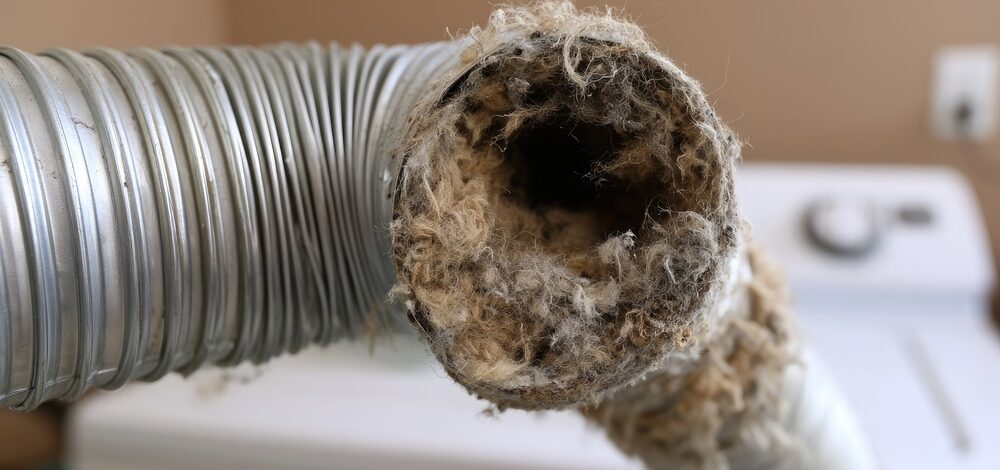
If you are wondering exactly how frequently you should clear out this hidden pathway, you aren’t alone. Neglecting this simple chore does far more than just extend your laundry day; it puts your entire home at serious risk. According to the United States Fire Administration, nearly 3,000 residential fires are triggered by clogged dryer vents every single year.
At JMS Carpet Care, we believe preventing these accidents starts with understanding your system’s needs. Let’s break down the timeline, the warning signs, and how to keep your household safe.
The Annual Baseline
As a general baseline, appliance experts and manufacturers agree that standard residential dryer vents should be completely cleaned at least once every 12 months. Look at your appliance owner’s manual, and you will see this annual timeline spelled out clearly.
Sticking to a strict one-year schedule stops dangerous lint from choking your machine’s airflow, which strains the motor and forces it to run hotter. However, this 12-month rule is just the bare minimum for an average household. Depending on your lifestyle and your home’s design, you might need to clear things out much sooner.
4 Variables That Fast-Track Lint Buildup
A lot happens behind your laundry room wall that influences how quickly debris piles up. If your household matches any of the categories below, you should consider scheduling a professional visit every 6 to 8 months.
1. Large Families and Laundry Volume
If you are running 10 or more loads of laundry a week, your system is working overtime. More fabric passing through means a massive spike in loose fibers bypassing your lint trap and settling deep inside the line.
2. Furry Pets
Pet hair is a notorious culprit. Strays of dog and cat fur easily slip past standard mesh filters, binding together with clothing lint to form thick, felt-like blockages inside the air duct.
3. Long or Complex Vent Layouts
The physics of your home matters. A short, straight pipe exiting directly through an exterior laundry room wall stays clean much longer than a complex duct system. If your line winds through a crawlspace, takes multiple sharp 90-degree turns, or requires specialized dryer vent cleaning in Paoli, PA due to older, intricate suburban home layouts, lint will settle in those bends rapidly.
4. Roof Terminations
If your vent pipes run vertically and exit through your roof, gravity is actively working against your dryer’s exhaust fan. Heavy, moist lint struggles to climb straight up, causing it to fall back down and collect at the base of the line.
Red Flags: How to Spot a Clogged Vent
Your dryer will usually tell you when it is suffocating. You just have to know what to look and listen for.
- The Multi-Cycle Stall: The most universal warning sign is when a normal load of clothes suddenly takes two or three cycles to dry completely. If you are constantly restarting the machine for the same pile of towels, your dryer duct is likely restricted.
- Excessive External Heat: Feel the exterior cabinet of the machine or the top of your dryer while it’s running. If it feels scorching hot to the touch, heat is being trapped inside rather than venting outdoors.
A noticeable burning smell in your laundry room is a severe, immediate fire risk. The heating element is working overtime, and trapped heat can easily ignite the highly flammable lint fibers inside the machine. Stop using the appliance immediately.
The Hidden Impact on Your Home’s Indoor Air Quality
Many people don’t realize that a blocked exhaust vent directly compromises your broader indoor environment. When humid air cannot exit your home, it gets forced back into your walls, ceilings, and living areas.
This trapped moisture creates a prime breeding ground for biological growth, which can lead to structural damage and require expensive HVAC mold remediation. Healthy indoor air relies on all ventilation systems working together. Just as dirty air ducts circulate dust, a clogged dryer vent pumps massive amounts of humidity right back into your home.
Commercial Standards vs. Residential Realities
While homeowners can sometimes slide by on an annual schedule, commercial properties operate under strict safety guidelines. Facilities like retirement communities, surgical centers, and hotels often require professional cleaning every three months to remain code-compliant and pass safety inspections.
Property managers know that proactive maintenance prevents unexpected appliance failure and keeps hundreds of occupants safe. Homeowners can take a page out of the commercial playbook: treating your home’s dryer vent with the same urgency as your primary air duct system saves money on utility bills and catches minor issues before they become emergency repairs.
DIY Dryer Vent Cleaning: A Step-by-Step Guide
If you are handy and want to handle basic seasonal maintenance yourself, you can use a specialized vent cleaning brush kit from a local hardware store. These kits feature flexible rods that attach to a power drill to sweep the duct walls.
- Disconnect power and gas: Completely unplug the machine from the electrical outlet. If you own a gas-powered model, shut off the gas supply valve to prevent any leaks.
- Access the transition hose: Carefully pull the appliance away from the wall so you can easily reach the flexible transition hose located directly behind the unit without kinking it.
- Vacuum and brush: Detach the hose and feed your flexible rod kit into the main wall opening. Run the drill slowly to sweep the walls while using a vacuum to collect the dislodged lint. Don’t forget to clear the external vent hood outside your home.
Why Professional Cleaning Matters
While DIY kits are great for quick touch-ups, they struggle to navigate complex paths or clear heavy blockages. Professional teams use industrial-strength compressed air skips and high-vacuum systems that clear out every single inch of the duct.
Furthermore, a professional inspection can catch underlying issues that DIY brushes miss, such as crushed transition hoses, disconnected joints, or sagging pipes trapping water. For instance, families booking specialized dryer vent cleaning in Doylestown often discover hidden bird nests or pest damage inside their exterior vent caps that standard home brushes simply couldn’t clear safely.
Streamlining Your Home Maintenance
To maximize efficiency and keep your home running smoothly, it is highly effective to coordinate your dryer vent maintenance alongside your regular air duct cleaning.
If your dryer line terminates anywhere near an HVAC intake, floating lint can easily migrate into your home’s main ventilation system, cross-contaminating your rooms with dust and allergens. Prioritizing both systems simultaneously lowers your energy bills, protects your mechanical investments, and makes sure your family breathes cleaner, safer air all year round.
Ready to Protect Your Home? Partner with JMS Carpet Care
Don’t wait for laundry day to stall out; or worse, for a burning smell to alert you to a hazard. Keeping your dryer vents crystal clear is one of the easiest, most affordable ways to protect your property and lower your monthly energy costs.
At JMS Carpet Care, our experienced technicians use professional-grade equipment to thoroughly clear out your dryer ventilation lines, restoring peak performance and absolute peace of mind to your household. Contact JMS Carpet Care today to schedule your professional dryer vent cleaning and keep your home safe!