

Water Damage Carpet Restoration: The 24-48 Hour Critical Window
That squish under your feet isn’t just annoying. It’s a countdown timer. From the moment water hits your carpet, you’ve got roughly 48 hours before reversible damage becomes permanent damage. Mold doesn’t ask permission, backing doesn’t wait to separate, and that musty smell? It’s just the beginning. Whether a pipe burst, your washing machine rebelled, or last night’s storm found its way inside, your next move matters more than how the water got there.
Table of Contents
- Why Time Matters More Than You Think
- What Actually Happens to Wet Carpet
- Immediate Impact (0-4 Hours)
- Progressive Damage (4-24 Hours)
- Critical Threshold (24-48 Hours)
- Can Your Wet Carpet Be Saved?
- Your Emergency Response Plan
- Step 1: Stop the Water Source
- Step 2: Remove Standing Water
- Step 3: Pull Back the Carpet
- Step 4: Begin the Drying Process
- Step 5: Call Professionals
- Why Professional Restoration Makes Sense
- The Restoration Process: What to Expect
- Common Mistakes That Worsen Damage
- Prevention: Protecting Your Investment
- The Cost of Waiting
- When to Accept Replacement
- Quick Reference: Action Items
- Frequently Asked Questions
- Moving Forward After Water Damage
Why Time Matters More Than You Think
When water soaks into carpet fibers, it doesn’t just sit there politely waiting for you to deal with it. Within hours, a series of destructive processes begin that can permanently damage your flooring. The padding underneath your carpet acts like a giant sponge, absorbing moisture and creating the perfect environment for mold growth, bacterial development, and structural deterioration.
The 24-48 hour window isn’t arbitrary. Research and restoration experience have shown that mold can begin colonizing damp materials within 24 to 48 hours under the right conditions. Once mold takes hold, you’re not just dealing with a wet carpet anymore. You’re facing potential health hazards and a much more complicated remediation process that almost always requires complete carpet removal.
What Actually Happens to Wet Carpet
Understanding the progression of water damage helps you grasp why immediate action is so critical. Water doesn’t affect all carpet types the same way, but the general timeline of destruction follows a predictable pattern.
Immediate Impact (0-4 Hours)
During the first few hours, water saturates the carpet fibers and padding. The carpet may appear darker, feel heavy, and produce a squishing sound when walked on. At this stage, the damage is mostly reversible if you act quickly. The water hasn’t had time to break down adhesives, promote bacterial growth, or begin the mold development process.
Progressive Damage (4-24 Hours)
As hours pass, the water begins affecting the carpet backing and the subfloor beneath. Dyes in the carpet may start to bleed, causing discoloration. The padding becomes increasingly waterlogged and begins to break down. If the water came from a contaminated source, bacteria multiply rapidly during this period. The characteristic musty smell associated with water damage typically becomes noticeable around the 12-hour mark.
Critical Threshold (24-48 Hours)
This is where the damage can become permanent. Mold spores, which are present everywhere in our environment, find the perfect conditions to germinate and grow. The carpet backing may begin to separate from the carpet fibers. Wooden subfloors can warp, and concrete subfloors may develop moisture issues that persist for weeks. The padding usually becomes unsalvageable at this point, even if the carpet itself might be saved.
Can Your Wet Carpet Be Saved?
This is the question everyone asks, and the honest answer is: it depends. Several factors determine whether restoration is possible or if replacement is the only option.
| Factor | Salvageable Scenario | Replacement Needed |
| Water Source | Clean water from supply lines, rainwater | Sewage backup, toilet overflow, standing water with contaminants |
| Time Elapsed | Response within 24 hours | Saturated for more than 48-72 hours |
| Carpet Type | Synthetic fibers, commercial-grade carpet | Natural fibers like wool, carpet with jute backing |
| Extent of Saturation | Surface water, partial room saturation | Complete saturation including padding and subfloor |
| Visible Mold | None detected | Visible mold growth present |
The type of water makes a huge difference. Water damage is typically categorized into three classes. Category 1 is clean water from a broken pipe or supply line. Category 2 is gray water that may contain some contaminants, like water from a dishwasher or washing machine. Category 3 is black water, which is heavily contaminated and typically comes from sewage or flooding. Carpet exposed to Category 3 water should almost always be replaced for health and safety reasons.
Your Emergency Response Plan
When you discover water damage, every minute counts. Here’s what you need to do immediately, in order of priority:
Step 1: Stop the Water Source
Before anything else, shut off the water supply if a broken pipe or appliance is the culprit. If the water is coming from outside due to flooding or storm damage, this step may not be possible, but identifying the source helps you understand what you’re dealing with.
Step 2: Remove Standing Water
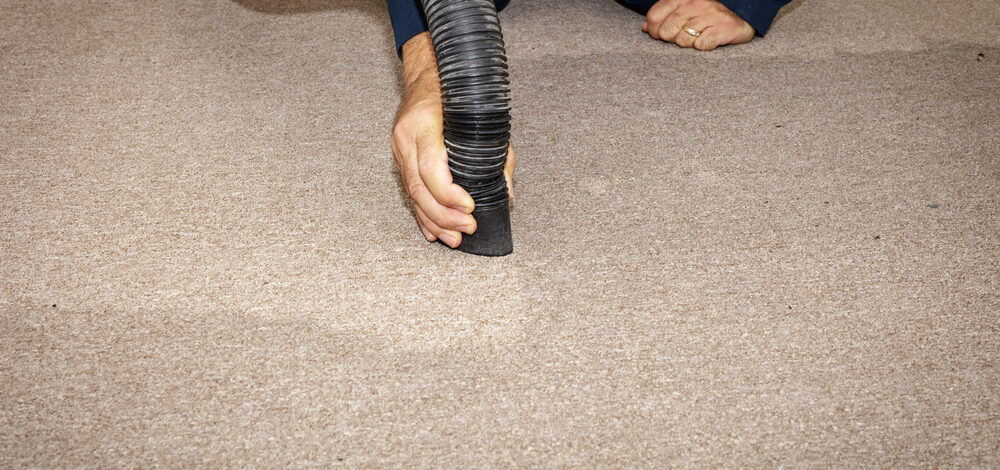
Use a wet/dry vacuum if you have one. Towels and mops work in a pinch, but they’re far less efficient. The goal is to extract as much water as possible from the surface. Don’t use your regular vacuum cleaner because it’s not designed for water and could create an electrical hazard.
Step 3: Pull Back the Carpet
If the water damage is significant, pulling back the carpet from the tack strips allows you to assess the padding and subfloor. This also promotes air circulation, which is crucial for drying. Be careful with this step because carpet can be heavy when wet, and you need to avoid tearing it or injuring yourself.
Step 4: Begin the Drying Process
Open windows if weather permits. Set up fans to create air circulation. Dehumidifiers are incredibly valuable because they remove moisture from the air, which accelerates drying. Point fans at the carpet from multiple angles and keep them running continuously.
Step 5: Call Professionals
While you can do some initial damage control, professional carpet restoration equipment and expertise make a significant difference in outcomes. Industrial-grade water extractors, air movers, and dehumidifiers work much faster and more effectively than consumer equipment.
Why Professional Restoration Makes Sense
You might wonder if professional help is really necessary, especially if you’ve already removed visible water. The reality is that what you can see on the surface doesn’t tell the whole story. Professional restoration technicians, such as the ones at JMS Carpet Care, use moisture meters to measure water content in the carpet, padding, and subfloor. They can detect moisture pockets you’d never find on your own.
Professional equipment dries carpet thoroughly in 24 to 36 hours, while DIY attempts often take several days and still leave residual moisture. This speed matters because it keeps you within that critical 48-hour window and prevents mold development. Professional services also include antimicrobial treatments and carpet cleaning in Southampton that inhibit bacterial and mold growth, adding an extra layer of protection.
The Restoration Process: What to Expect
Understanding what professional restoration involves helps you set realistic expectations and make informed decisions. The process typically includes several distinct phases.
First comes the assessment. Technicians inspect the damage, identify the water source and category, measure moisture levels, and determine whether restoration is feasible. This evaluation usually takes 30 minutes to an hour and results in a clear action plan.
Next is water extraction. Powerful truck-mounted or portable extractors remove the bulk of the water from the carpet and padding. This equipment is far more effective than anything available to consumers and can remove several gallons of water per minute.
The drying phase involves strategic placement of air movers and dehumidifiers. Technicians position equipment to maximize airflow and moisture removal. They monitor moisture levels every few hours and adjust equipment as needed. This phase typically runs for 24 to 72 hours depending on the severity of the damage.
Cleaning and treatment come next. Once it’s dry, rug cleaning in Blue Bell and the surrounding areas is required because floodwater and even clean water can carry contaminants. Antimicrobial treatments prevent bacterial growth and odors. Carpet cleaning also restores the appearance and removes any residue or staining from the water damage.
The final steps include carpet reinstallation if it was pulled back, and a final moisture check to confirm everything is completely dry. Many professionals also offer odor removal services if musty smells persist.
Common Mistakes That Worsen Damage
In the panic following water damage, people often make decisions that actually worsen the problem. Being aware of these pitfalls helps you avoid them:
- Waiting to see if it will dry on its own: Hoping the carpet will air dry naturally wastes precious time. Carpet and padding are too dense to dry adequately without active air circulation and moisture removal.
- Using too much heat: Cranking up the thermostat or using space heaters seems logical, but excessive heat can set stains, damage carpet fibers, and actually slow drying by causing moisture to move deeper into the padding.
- Ignoring the padding: Some people focus only on the carpet surface and forget that the padding underneath holds significantly more water. Wet padding that isn’t properly dried will keep the carpet damp and promote mold growth.
Prevention: Protecting Your Investment
While you can’t prevent every water emergency, you can reduce your risk and catch problems early. Regular inspections of appliances that use water, like washing machines, dishwashers, and water heaters, help you spot leaks before they become disasters. Checking these connections twice a year takes just a few minutes but can save thousands in damage.
Installing water alarms near appliances, water heaters, and sump pumps provides an early warning system. These inexpensive devices emit a loud alarm when they detect moisture, alerting you to problems even when you’re not home.
Proper ventilation in bathrooms and basements reduces humidity levels that can contribute to moisture problems. Running exhaust fans during and after showers, using dehumidifiers in damp basements, and ensuring adequate airflow throughout your home all help keep moisture levels in check.
The Cost of Waiting
Hesitation costs money. Professional water extraction and restoration for a standard room typically costs between $300 and $700. If you wait too long and mold develops, remediation costs jump to $1,500 to $3,000 or more. If the carpet needs replacement, you’re looking at $1,000 to $3,000 for materials and installation, plus potential subfloor repairs.
Beyond the financial cost, there’s the health aspect. Mold exposure can trigger allergic reactions, respiratory issues, and other health problems, especially in children, elderly individuals, and those with compromised immune systems. Acting within the critical window protects both your wallet and your family’s wellbeing.
When to Accept Replacement
Sometimes, despite your best efforts, replacement is the right call. If water has been present for more than 72 hours, the carpet and padding are likely beyond saving. Visible mold growth means the damage has progressed too far for simple restoration. If the water source was contaminated (sewage, outdoor flooding), replacement isn’t just recommended but necessary for health reasons.
Natural fiber carpets, particularly wool, rarely survive significant water damage because these materials absorb water readily and are prone to mold growth. If the subfloor has warped or sustained damage, addressing that issue takes priority and often necessitates carpet replacement anyway.
Quick Reference: Action Items
When water damage strikes, refer to this quick action list:
- Turn off the water source immediately
- Document the damage with photos for insurance purposes
- Remove standing water with a wet/dry vacuum
- Pull back saturated carpet to check padding and subfloor
- Set up fans and dehumidifiers for air circulation
- Contact professional restoration services within the first few hours
- Remove any furniture or items from the affected area
- Keep people and pets away from the wet carpet
Frequently Asked Questions
Q: Can I save money by drying the carpet myself instead of calling professionals?
A: While you can remove surface water yourself, professional equipment extracts moisture far more thoroughly and quickly. The money you might save on professional services often gets spent on replacement costs when DIY drying leaves residual moisture that leads to mold. Think of professional restoration as an investment in keeping your existing carpet rather than an expense.
Q: How can I tell if my carpet has mold growing underneath?
A: Musty odors are usually the first sign. You might also notice dark spots or discoloration appearing on the carpet surface. If the carpet remains damp more than 48 hours after the water exposure, mold is very likely developing in the padding underneath. Professional moisture meters can detect hidden moisture you can’t see or smell yet.
Q: Will my insurance cover water damage carpet restoration?
A: Coverage depends on your policy and the water source. Sudden and accidental water damage, like a burst pipe, is typically covered. Gradual damage from a slow leak or flooding from outside sources may not be covered under standard homeowner policies. Review your policy and contact your insurance agent quickly after damage occurs.
Q: What’s the difference between carpet cleaning and water damage restoration?
A: Regular carpet cleaning removes dirt, stains, and allergens from dry carpet. Water damage restoration involves extracting large amounts of water, drying the carpet and underlying materials, preventing mold growth, and addressing potential structural issues. It’s a much more intensive process that requires specialized equipment and expertise.
Moving Forward After Water Damage
Discovering water damage is stressful, but understanding the 24-48 hour critical window empowers you to take immediate, effective action. The difference between a fully restored carpet and an expensive replacement often comes down to quick response and professional intervention.
Your carpet is more resilient than you might think, but only if you act fast. Water damage doesn’t have to mean automatic replacement, but it does demand respect for the tight timeline involved. Whether you catch the problem in the first few hours or you’re already approaching that 48-hour mark, professional assessment and restoration give you the best chance of saving your flooring investment.
If you’re facing water damage in your carpets, JMS Carpet Care provides professional water damage restoration services with the equipment and expertise to work within that critical window. Don’t let uncertainty cost you your carpet. Reach out for an assessment and let experienced technicians give you the honest answers you need about whether restoration is possible. The sooner you call, the better your chances of saving your carpet and protecting your home.